Your website might be the reason people aren’t calling you. That’s a hard thing to hear, but it’s true for a lot of small businesses — the site was built years ago, it looked fine at the time, and somewhere along the way it quietly started costing you customers instead of winning them. Studies from the Nielsen Norman Group consistently show that users form an opinion about a website in as little as 50 milliseconds. If that first impression feels dated, slow, or confusing, they’re gone — usually to a competitor whose site looks the part.
Signs Your Website Needs a Redesign
There’s no single moment when a website “goes bad.” It tends to happen gradually, which makes it easy to ignore. Here are the warning signs worth taking seriously.
It looks out of date. Design trends move fast, and a site built in 2016 or even 2019 can feel noticeably stale today. Visitors don’t need to consciously think “this looks old” — they just feel less confident in your business.
It’s not mobile-friendly. More than half of all web traffic now comes from mobile devices. If your site isn’t responsive — meaning it adapts cleanly to any screen size — you’re creating a poor experience for the majority of your visitors. Google also penalises non-mobile sites in search rankings, so it hurts your visibility too.
It loads slowly. Run your site through Google PageSpeed Insights right now. If your scores are in the red or amber, slow load times are likely driving people away before they’ve even seen your content. A one-second delay in page load time can reduce conversions by 7%.
Your business has changed. If you’ve rebranded, added services, or shifted your target market, your old site probably doesn’t reflect where you are now. Misalignment between your actual business and your online presence erodes trust.
You can’t update it yourself. A website you’re locked out of — whether by an outdated content management system or a developer who’s gone quiet — is a liability. You should be able to add a blog post or update your prices without calling someone.
What a Redesign Actually Involves
A website redesign isn’t just swapping out colours and photos. Done properly, it’s a structured process that looks at your goals, your audience, and how your site performs before touching a single line of code. Here’s roughly what that process looks like when I work with clients.
Discovery and Planning
This is the stage most people want to skip, and it’s the one that makes everything else work. Before anything is designed, we need to understand what the site needs to achieve. Who are your customers? What action do you want them to take? What’s working on the current site (if anything)?
This stage typically involves reviewing your existing analytics, looking at what your competitors are doing, and defining a clear sitemap — the pages the new site will include and how they connect to each other.
Design and Content
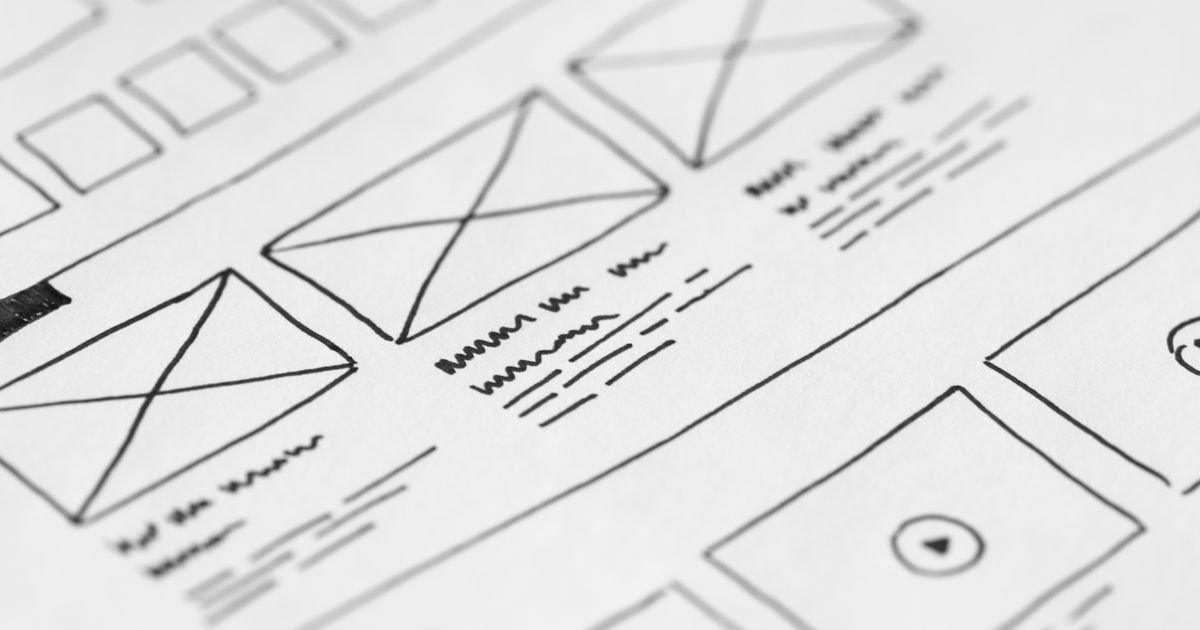
Once there’s a clear plan, design can begin. Modern web design tools allow for detailed mockups before a single line of code is written, which means you can review and approve the look and feel before the build starts. Resources like Smashing Magazine are good for keeping up with current design thinking if you want to be an informed client in this stage.
Content — your words, images, and messaging — has to be ready at this point. This is often the biggest bottleneck in a redesign. If you’re providing your own copy, start working on it early.
Development and Launch
The build phase is where design becomes a real, functioning website. A developer translates the approved designs into clean code, integrating things like contact forms, booking systems, or e-commerce functionality as needed. Good developers write semantic, accessible HTML — something MDN Web Docs is an excellent reference for — and choose typography from sources like Google Fonts thoughtfully rather than just picking whatever looks nice.
Before launch, the site goes through testing — across different browsers, screen sizes, and connection speeds. Then it goes live, and the old site is replaced.
How Long Does a Redesign Take?
Timelines vary a lot depending on the scope of the project, but here’s a realistic breakdown for a typical small business site.
A straightforward five-to-eight-page site with a clear brief and content ready to go can realistically be completed in three to five weeks. A more complex site — with custom functionality, e-commerce, or a large number of pages — can take eight to sixteen weeks or more.
The honest answer is that client delays are the most common reason projects run over. Feedback that takes two weeks to come back, content that isn’t ready on time, and scope changes mid-project all add up. If you want a fast turnaround, come prepared. Have your logo files, brand colours, copy, and photos ready before the project starts.
How Much Does a Website Redesign Cost?
This is usually the first question, and the answer is — it depends. The range is genuinely wide. A DIY rebuild on a platform like Wix or Squarespace might cost you a few hundred pounds a year in subscription fees and a lot of your own time. A professionally designed and built site on WordPress or a modern framework will cost more upfront but gives you something built to your exact requirements.
I’ve written a detailed breakdown of how much does a website cost if you want to understand what drives the price. The short version is: you’re paying for strategy, design skill, and development time — and skimping on any of those tends to show.
If you’d like to see what a professionally built site looks like at different price points, take a look at the web design packages I offer. They’re designed to give small businesses a clear, honest starting point.
Common Mistakes to Avoid
In my experience, the redesign projects that go sideways tend to have one or more of these problems.
Designing by committee. The more people who have final say on design decisions, the harder it is to make progress. Appoint one decision-maker on your side and keep the feedback loop tight.
Chasing trends blindly. Not every design trend suits every business. CSS animations and bold layouts might look great on a creative agency’s site and completely wrong on a local solicitor’s. Good design should reflect your brand and reassure your customers, not impress designers. CSS-Tricks is a fantastic resource for understanding what’s technically possible — but possible and appropriate aren’t the same thing.
Ignoring SEO from the start. A redesign is the perfect time to address your site’s structure and on-page SEO. If this isn’t considered during the planning stage, you risk launching a beautiful new site that performs worse in search than the old one.
Forgetting about maintenance. A website isn’t a one-off purchase. It needs updates, security patches, and occasional content refreshes to stay healthy. Factor that into your thinking before you launch.
Setting Realistic Expectations
A good website redesign will improve how your business looks online, make it easier for customers to find you and contact you, and give you a platform you can actually manage. What it won’t do is transform a struggling business overnight or guarantee overnight rankings improvements.
SEO results from a redesigned site typically take three to six months to show meaningful change. Conversion improvements depend on the quality of your offering as much as the quality of your site. And the best-designed site in the world won’t perform if the business behind it doesn’t follow up on enquiries.
What I tell every client: the site is a tool. A well-made tool will make your job easier. But you still have to do the job.
Getting Started: What to Prepare
If you’re serious about a redesign, here’s what to pull together before you start any conversations with a designer or developer.
A clear sense of your goals — more enquiries, more bookings, more online sales, or simply a more professional presence. Examples of sites you like and, just as importantly, sites you don’t like. Any existing brand assets: your logo (ideally in vector format), brand colours, and fonts if you have them. A list of the pages you definitely need. And an honest assessment of your content — what you’ll write yourself, what you’ll commission, and what you’ll pull from your existing site.
The more prepared you are, the smoother the process will be and the better the result.
Ready to Redesign Your Website?
If you’ve read this far, there’s a good chance you already know your site needs work. The question is just what to do next.
I work with small businesses across the UK to build websites that are clean, fast, and actually bring in customers. If you’d like to talk through what a redesign might look like for your business — with no jargon and no sales pressure — get in touch for a free quote. I’m happy to give you an honest assessment of where your site is now and what it would take to get it where it needs to be.